
This article is part of the series Recalculating, a 28-day motorcycle journey along the Pacific Northwest coast and through its volcanic landscapes.
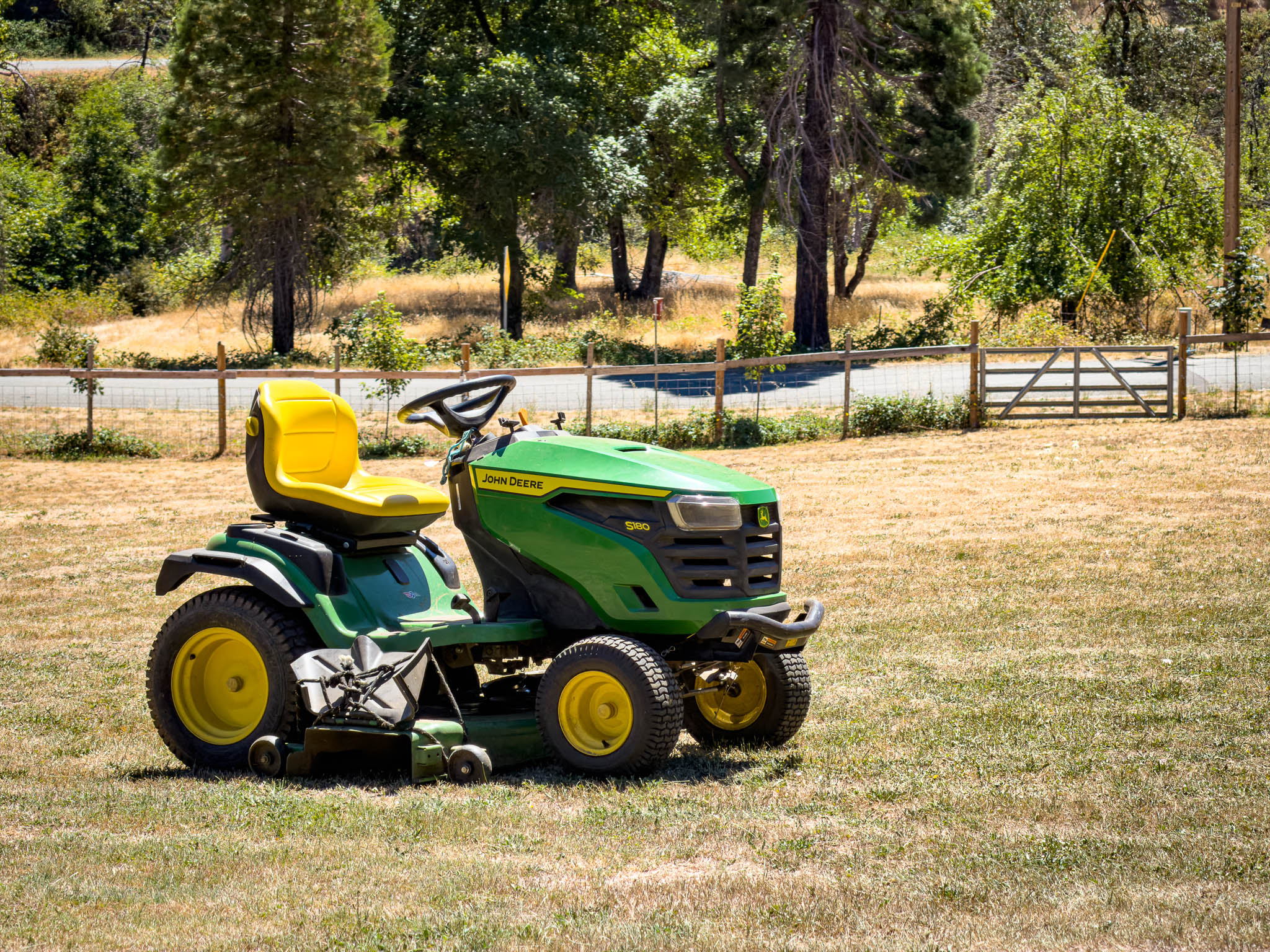
Somewhere outside Happy Camp, riding a John Deere green mower across a field in 101-degree heat, I became Hank Hill.
I tell you what, “Why would anyone smoke weed when they could just mow a lawn?”
That line had always made me laugh. Sitting on the mower, I finally understood it.
I had been poking at my friend for a while to let me drive the small tractor. To him, it was just a lawn mower. To me, it was something I had wanted to drive for as long as I could remember.
When I was a kid, I had a small landscaping business. I pushed my mower around the neighborhood, gathering a few lawns along the way, and saved enough money to buy my first motorcycle once I arrived in California. While earning that money, every so often, a professional crew would arrive with a trailer full of riding mowers and specialized tools. The operators sat above the grass, spinning neatly at the edges and leaving perfect lines behind them. I watched those machines with the fascination other kids reserved for sports cars.
I wanted to be in that seat.
More than forty years later, my friend finally gave me the basics: gas, brake, blade control. The John Deere was a refreshingly simple machine, particularly after weeks aboard an overengineered motorcycle with multiple ride modes, electronic suspension, traction control, and enough computing power to recognize several of my bad decisions well before I did.
I sank into the soft yellow seat, grabbed the steering wheel, and engaged the blade.
The whole machine got louder. The engine changed tone. The deck began vibrating beneath me. Air started blowing out of the discharge chute with reckless abandon. As I pressed the gas, the first stretch of deep grass disappeared under the blades. When everything went right, a beautiful spray shot from the side and settled across the field. When something went less than right, I found a gopher hole, sucked up God knows what, threw a rock or two, and engulfed myself in a giant cloud of dust.
I freaking loved it.
Short Visits and Longer Stories
My friend and I first crossed paths at a rodeo in 2011, back when I was doing rodeo photography. We only saw each other at a distance. He was a contestant. I was the photographer. More than a decade passed before I reached out and shared the photographs directly rather than hoping the rodeo association had done it. I also mentioned that one of my trips would bring me through his part of the world.
The friendship developed in pieces after that. I stopped by the farm for a day during one visit and spent a night during another trip north. We managed to cross paths in the Bay Area once or twice over the next three years. We were not strangers, but we were still getting to know one another.
A short visit drives its own compressed energy. People catch up. We share highlights. Each of us makes the most of the available hours because we know the visit will end. Three days creates room for something less organized. Conversations wander, and silence stops demanding to be filled. For the first time, I began to understand what his life looked like between the moments we told during shorter visits.
I always want to make room for new people in my life. It becomes harder as we get older—not because there are fewer good people, but because established lives are already entrenched. Old friends, family, work, routines, and obligations occupy most of our available space. Friendships formed later in life require more effort. Someone has to reach out. Someone has to make the drive. In this case, both of us had.
The farm gave us both time that our earlier visits had not.
Everything Close at Hand
Staying there felt different from my other pauses on the trip. I had spent a few days off here and there in cities, but those stops still belonged to the cadence and thrill of travel. There were restaurants to find, errands to run, and hotel checkout times waiting in the background. Even when I was not riding, I was still passing through the mechanics of travel.
At the farm, I genuinely slow down. I could wash clothes and fold them on the bed instead of deciding which shirt was least offensive after several days inside a motorcycle case. I knew where I would sleep the following night. I didn’t need to micromanage so many moving details. For once, everything I owned did not need to be ready for departure before breakfast.

The massage in Grants Pass had dealt with my neck, back, and hips. The farm offered a different kind of maintenance, although it took me a while to recognize it. The days were simple without being empty. Fields needed attention. Animals needed feeding. Gardens needed tending. The house’s water line needed adjustment. These were many of the things we outsource in cities and suburbs. On the farm, we did them.

If I’m honest, I was slightly out of place. I am a product of suburbia. My relationship with agriculture generally begins in a parking lot and ends near a refrigerated produce display. I can navigate Costco on a Saturday, which is a legitimate survival skill, but it does not qualify a person to maintain land in the mountains.
What struck me was not simply that the farm had things growing. It was how close and accessible everything was. Blackberries grew beside the driveway. Apples and pears hung within reach in the backyard. Water came from the creek below us. The mower sat in the field it maintained. Food, work, water, and the consequences of neglect all existed inside the same small radius.
After dinner each night, we put fresh blackberries over ice cream. There was no packaging trying to convince me the berries were organic and farm fresh. My friend and I had picked them. They had traveled a shorter distance than anything I found at Safeway. Their tartness cut through the sweet ice cream, and I could literally taste the freshness that proximity brings.
So did the danger.
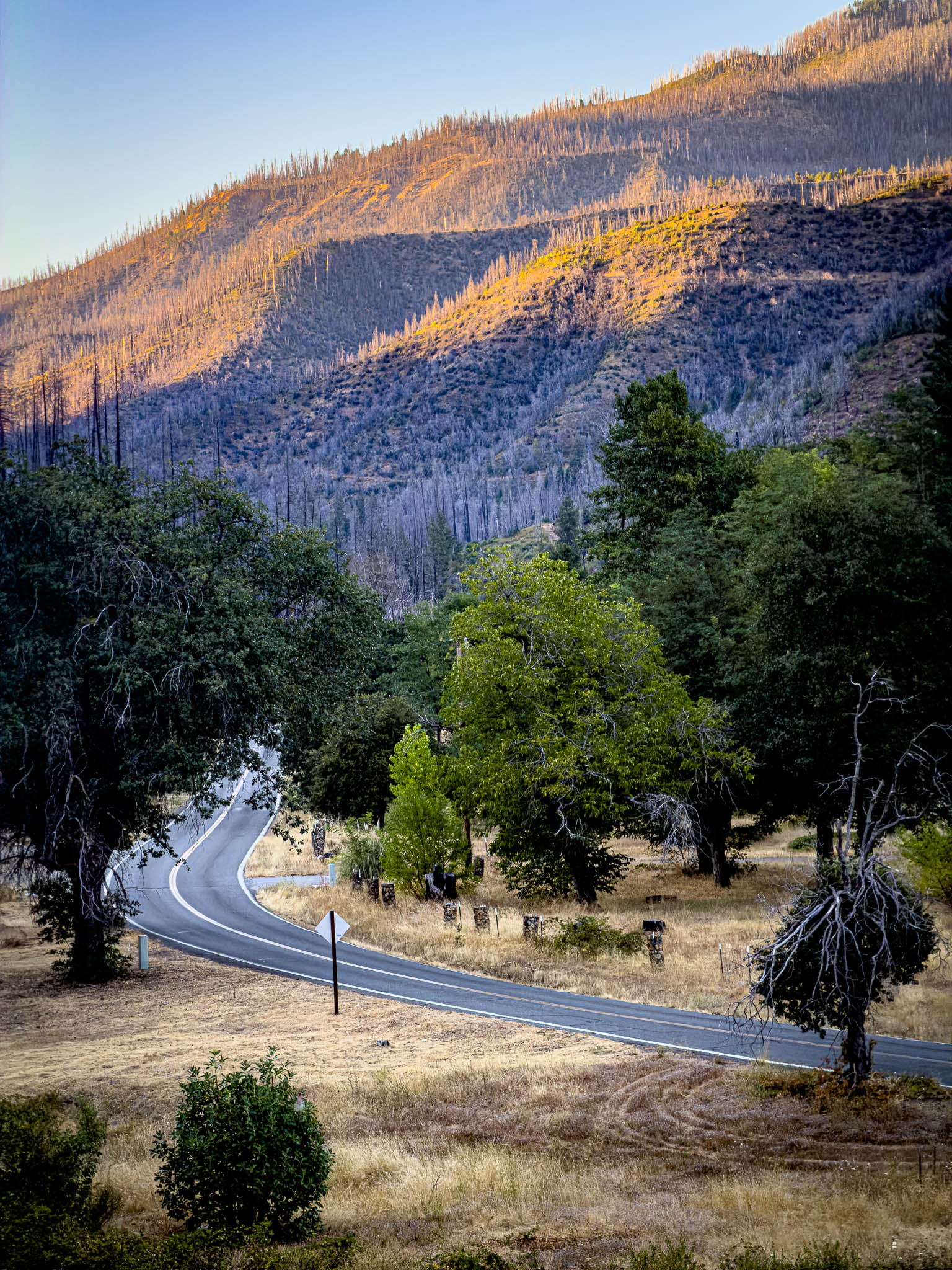
The Slater Fire had spared the farm, but the flames had come close. The burn scar rose across the canyon, thousands of dead trunks covering the mountainside. Every so often, a sharp crack interrupted whatever we were doing.

All of us would look up.
Somewhere in the canyon, one of the damaged trees was giving way. The cracking continued until the tree finally fell, followed a moment later by the sound of the crash reaching us. Then the canyon became quiet again. The fire was no longer moving across the land, but the forest had not become stable simply because the flames were gone. Parts of it were still falling.
My friend has a deep connection to this place and hopes to use some of his time to help reforest the area. That work will outlast not only a season, but a lifetime. Much like the fire-damaged areas of the Columbia River Gorge Bruce spoke of, this forest will need decades to heal—if not a century or two. Most of the trees he plants may not mature during his lifetime. Still, this is the ground beneath him, and tending it is part of the life he has chosen.
I respect that.
I picked one of the pears despite my friend’s roommate warning me that it was not ready. It would be too hard, I was told.
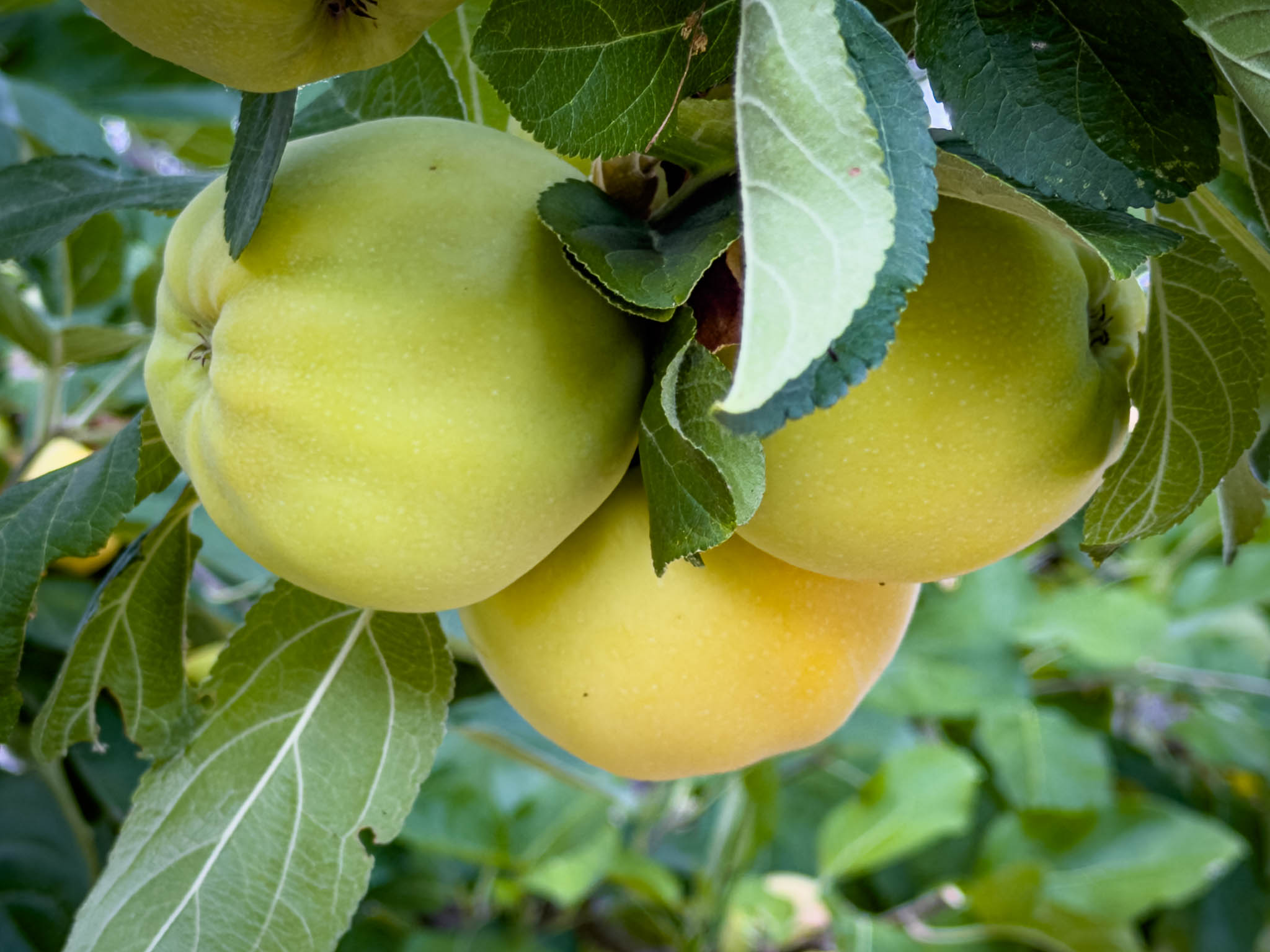
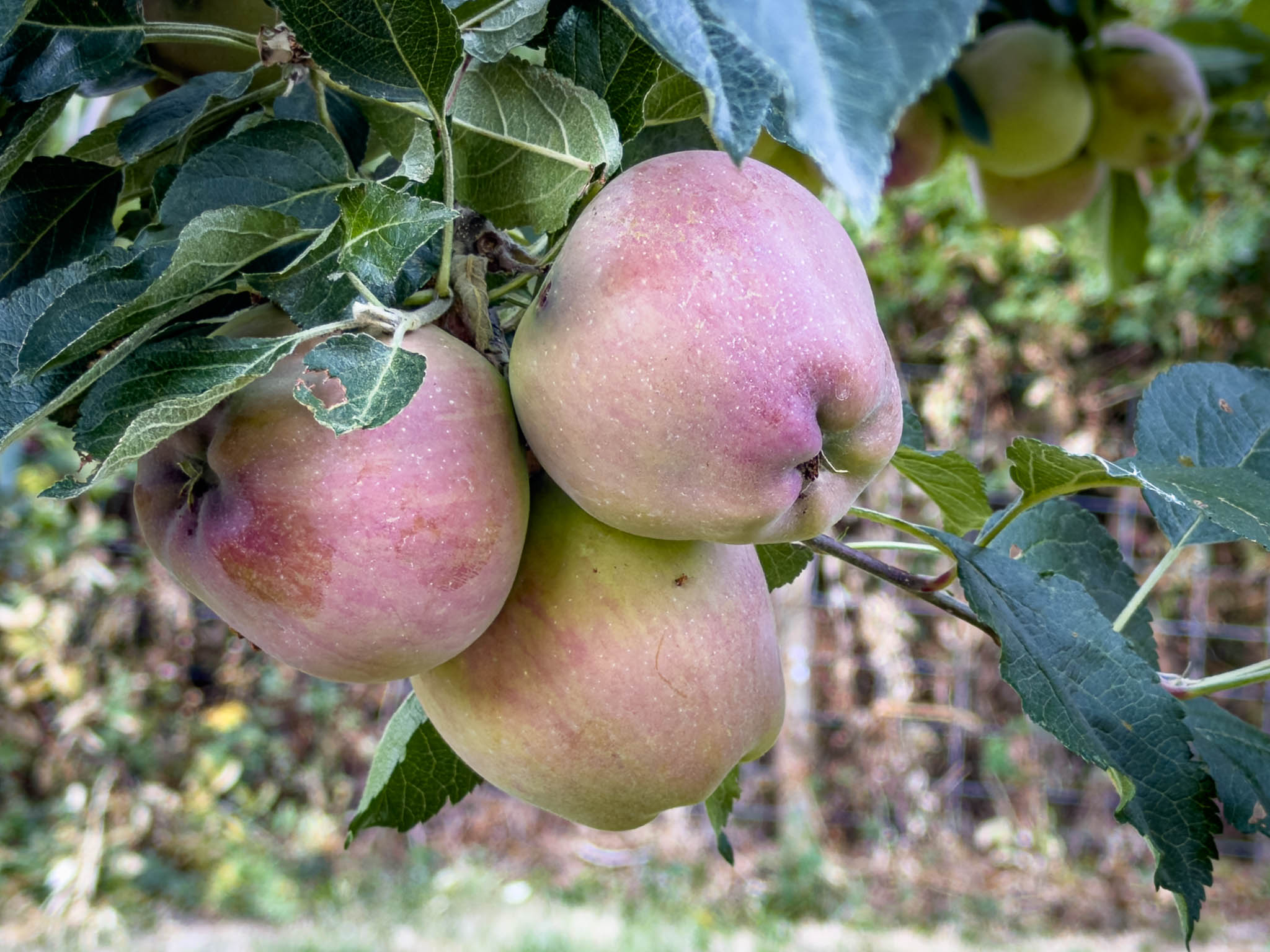
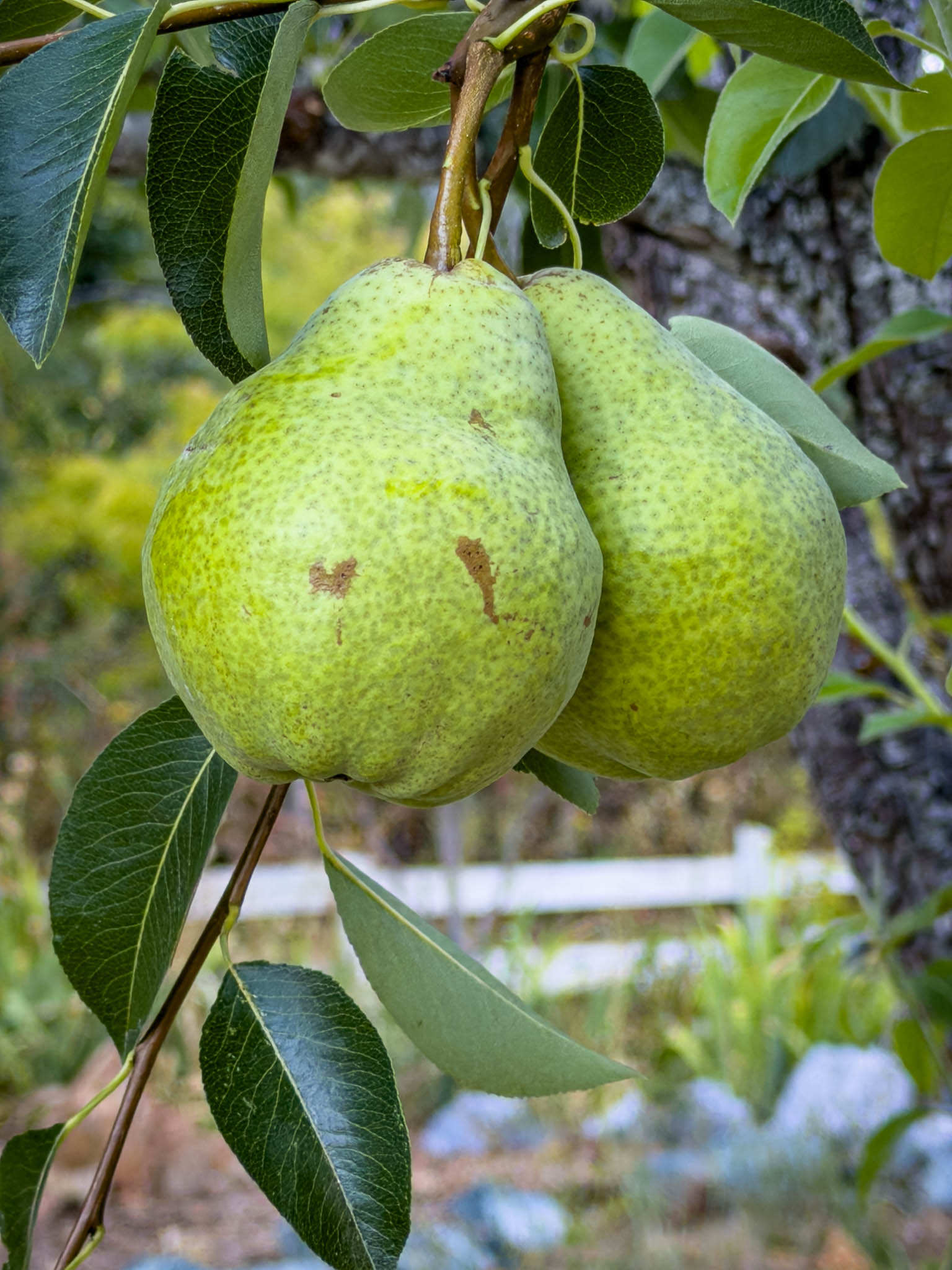
I ate it anyway; it was too hard.
I still stand by the decision. I would much rather eat produce that is too firm than discover halfway through a bite that it has become soft and mushy enough to drip all over my hand. The pear needed more time. Being close to the source had not made me any better at patience. If anything, it had made me worse.
Good, Honest Work
The mower let me participate in that life, even if my contribution was small and my enthusiasm was wildly disproportionate to the job. There was an honesty to the machine that appealed to me. I turned the wheel, and it turned. I lowered the blade, and the grass became shorter. Every pass left visible proof that I had done something useful.
Lately, I have found myself thinking about work that is more tactile. I enjoyed weed-whipping on our local mountain, partly because the result was visible, I enjoyed operating the machine, and partly because the work contributed to necessary fire prevention to keep my community safe. The mower offered that same satisfaction on a larger, louder scale.
I was shirtless in the sun, making pass after pass, learning the turning radius and trying to keep my lines reasonably straight. My buddy called me out on the wandering mower. I was awkward at first. The mower wanted to get away from me. With repeated turns, I became better at controlling it. I rediscovered the childhood satisfaction of operating a machine that did real work, only now I had the machine I had envied from behind a push mower. My friend did not understand why I was having so much fun. I couldn’t understand why he was not.
There was something satisfying about making one small piece of the landscape look tended to.

I could not repair the mountain. I could not replace the forest or undo what the fire had done to the community. I could cut the grass in front of me. More personally, I could do one job my friend would not have to do. He had hosted me for three days. The mower gave me a way, however small, to return the favor by taking one job off his list.
The creek gave us another.
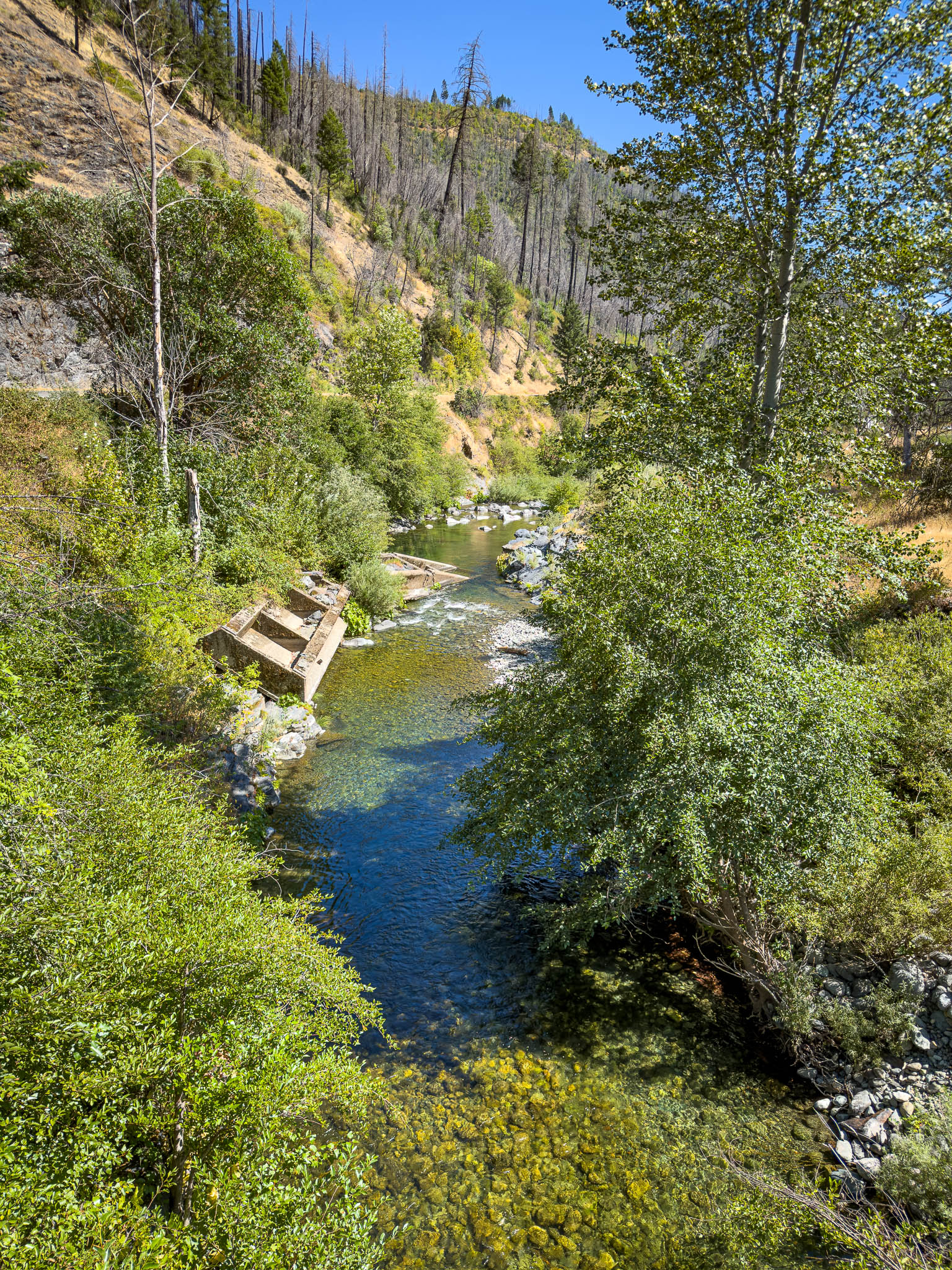
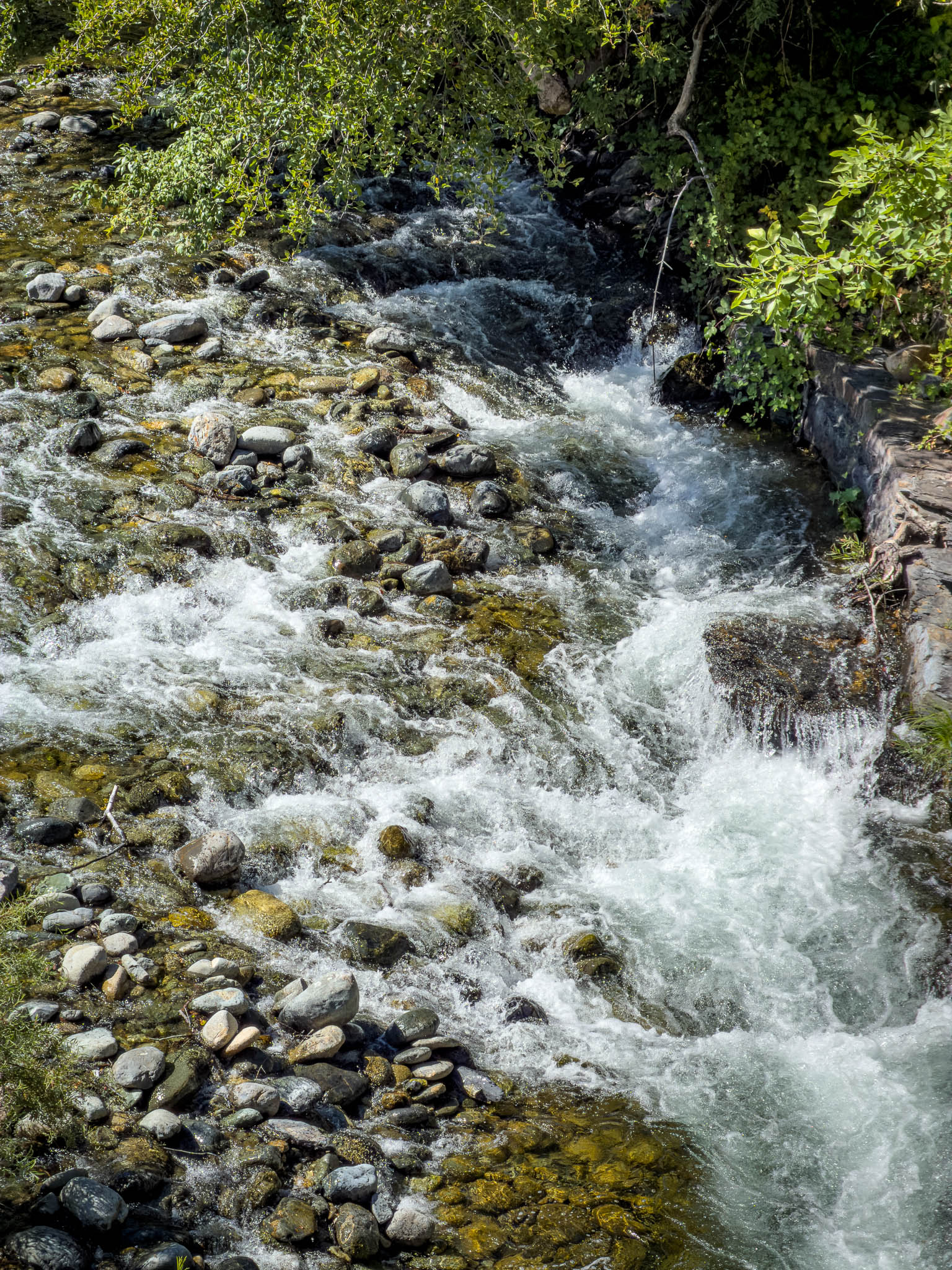
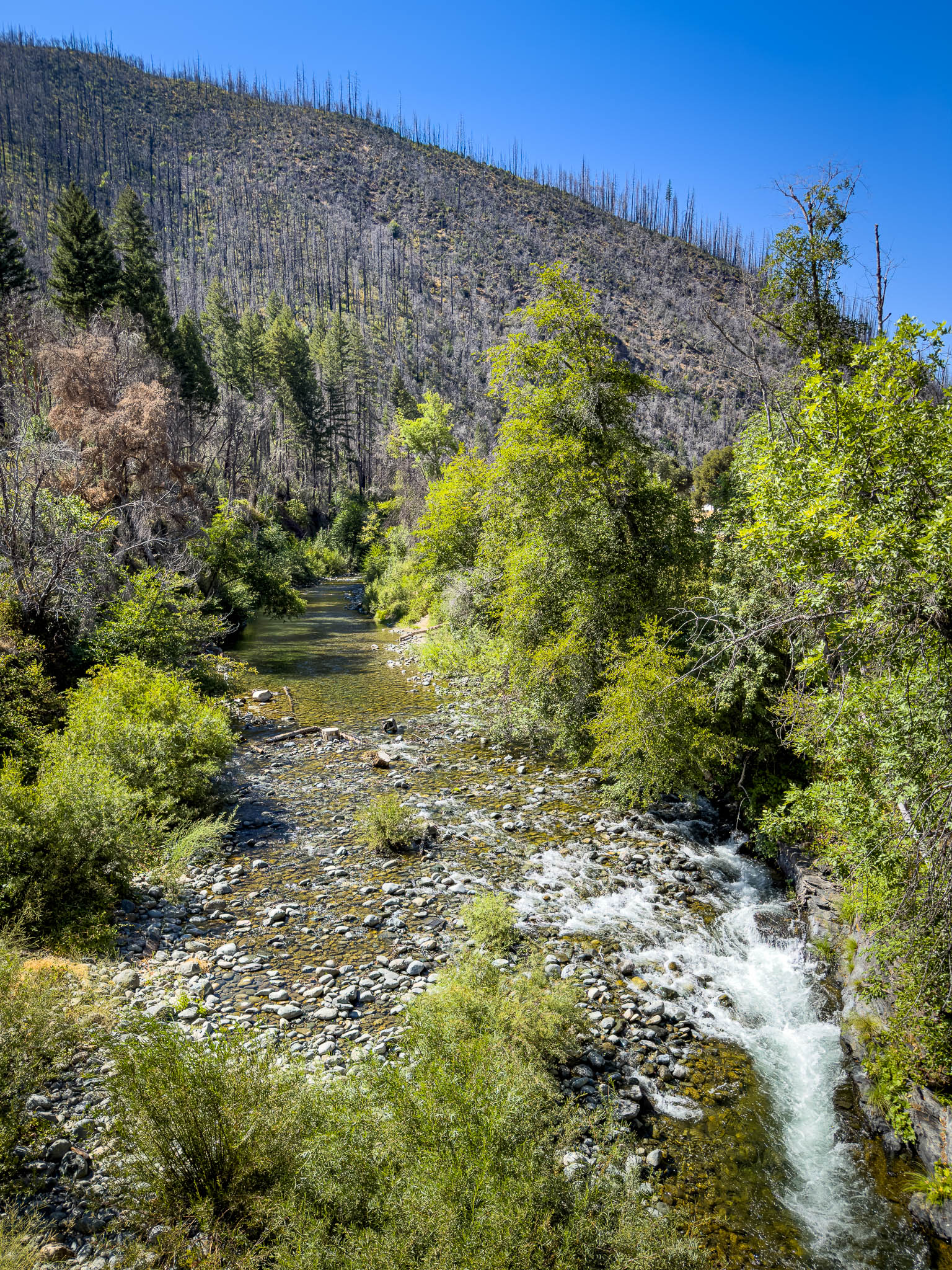
Water was slowly backing up, and the pump benefited from a supply of fresh, moving water. We climbed into the creek, moved rocks, and cleared branches to improve the flow. Unlike mowing, creek maintenance required me to stand on submerged rocks that were hella slippery while trying to look like a capable adult who had definitely spent time in a creek before.
My friend saw through me and gave me grief about being a city boy.
In some ways, he was right.
We moved enough material for the water to begin bubbling through more freely. It was not a massive engineering project, but we could see the water moving more quickly downstream. It was a small adjustment that made the pump work better and benefited everyone at the farm.
Then we swam. After the dust and heat, it felt fantastic.
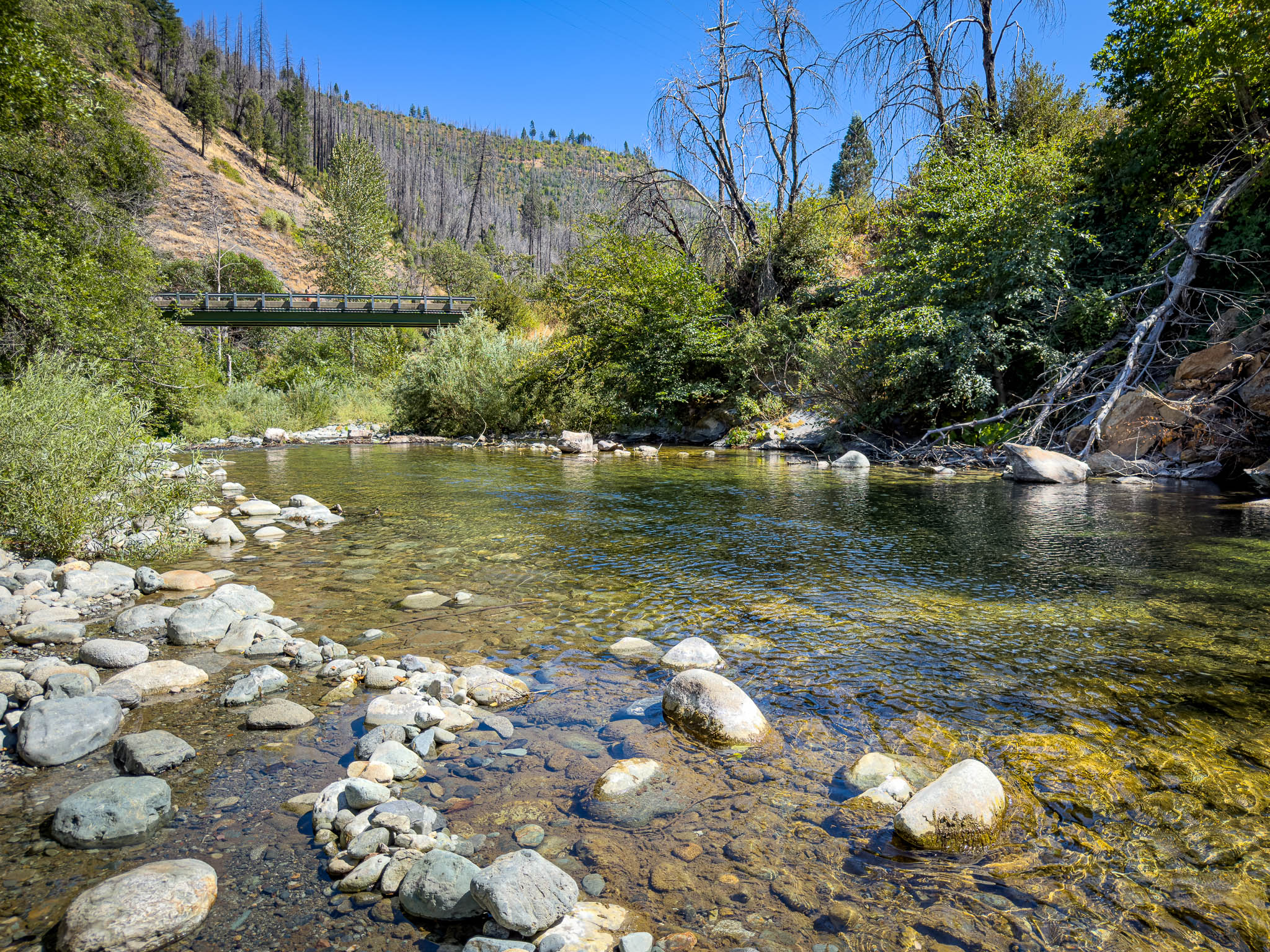
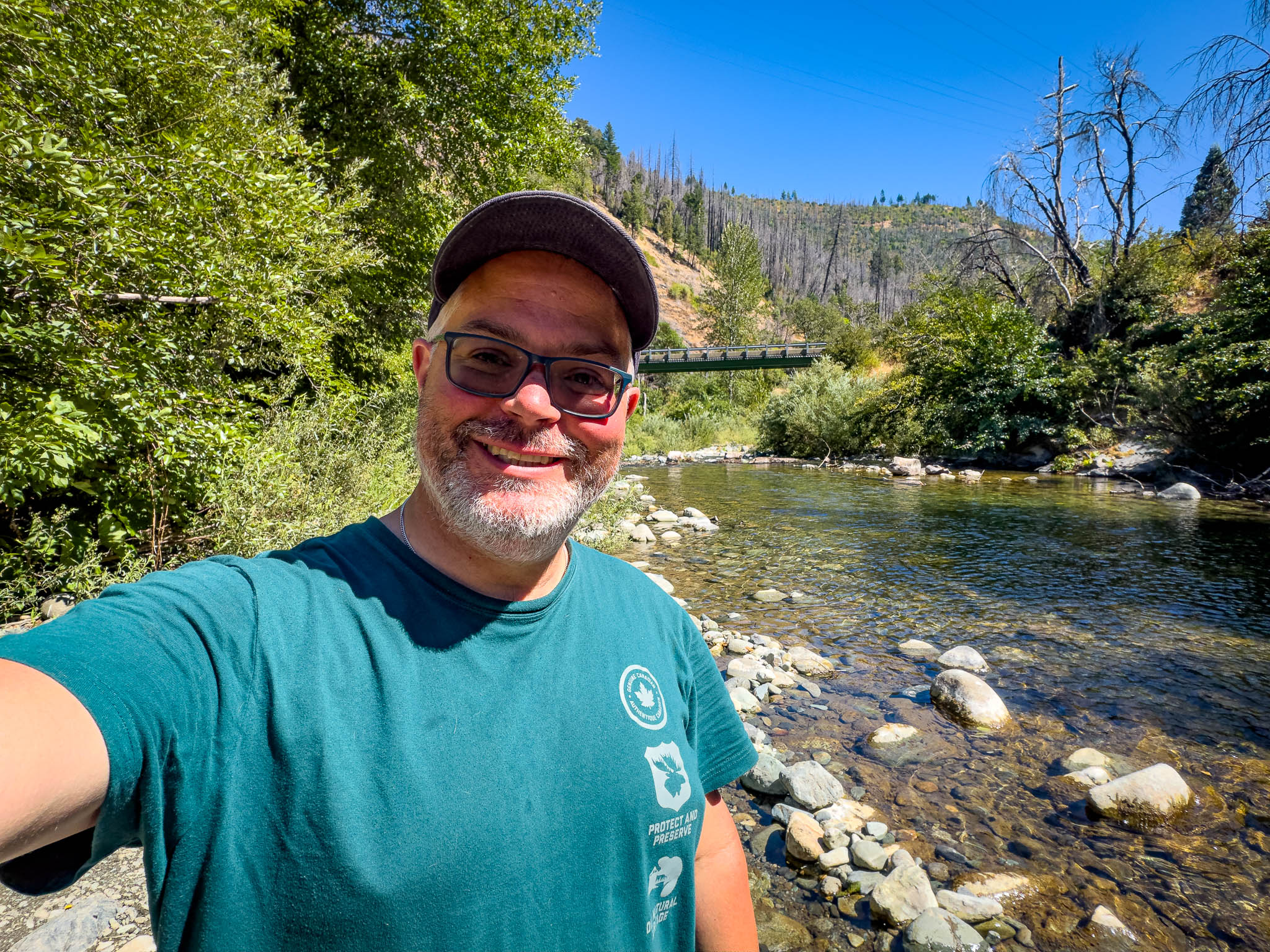
During the heat of the afternoon, we also sat together in the pool. The farm always had another task available, which created a natural tension between work and play. There was grass to cut, water to manage, animals to feed, and something somewhere that would benefit from attention. None of those jobs disappeared because we were sitting in cool water.
My friend referred to the “Sunday siesta hour” in much the same spirit. It was not one person working while the other gave himself permission to relax. We both stopped. Rest during the heat of the day was simply another part of the day’s rhythm, as deliberate as the work surrounding it. The jobs would still be there after the heat softened.
I liked that balance. I liked doing work with a visible result, but I also liked that usefulness did not need to consume every available hour. We could clear the creek, mow the field, and then sit in the pool together without turning either choice into a statement about our character. Work made the rest feel better. Rest made returning to the work possible.
His Adventure for Now
On the evening of the second day, my friend offered me the hammock. I climbed in, put my feet up, and watched the sun move behind the hills. The shadows slowly overtook the mountain until the burned trees disappeared into the larger darkness.

There was nowhere I needed to be.
Weeks of travel had trained me to think about the next destination, the next weather system, the next fuel stop, and how many useful hours of daylight remained. Even my rest days carried the awareness that everything would soon need to be packed and moving again.
My friend had chosen something different. When he talked about the farm, his decision made sense. It gave him something the Bay Area no longer could. This was his adventure now. Maybe it would not be his adventure forever. That was part of the wisdom too.
We often talk about major life choices as though their value depends on permanence. A place must be home forever. A career must become an identity. An adventure must point toward a final answer. My friend did not need the farm to make promises about the rest of his life. It was the life he had chosen for this chapter, and he was present inside it.
Most of my adventures have been defined by motion: another road, another destination, another line through an empty part of the map. His adventure asked him to stay in one place long enough to learn what it required. It asked him to feed animals, tend gardens, manage water, cut fields, listen for falling trees, and imagine a forest that might exist decades from now—likely beyond what either of us would live to see.
I’m not about to buy a farm. My short but illustrious career with the John Deere should not be mistaken for a clear next step. I began wondering whether my next adventure might look different from the ones that came before it. I did not know what that meant, and I still do not.
I’m okay with that.
His life did not give me the answer. It enlarged the question.
One More Day

I had planned to leave earlier, but my friend asked if I wanted to stay another day. Staying felt natural, so I did.
The day gave us more time together and gave me the chance to know his roommate better. Nothing monumental happened. That may have been the point. We accumulated more shared history through ordinary things: meals, conversation, teasing, shared work, slippery rocks, cold water, a mower, and an evening watching shadows climb a damaged mountain.
Old friendships come with history. New friendships need time to make some.
By Monday, we had more stories than when I pulled into the driveway. I folded my clothes, packed the motorcycle, and looked across the grass. My lawn geometry was not perfect. The farm would have survived without it. But the field looked tended, and it was one job my friend had not needed to do.
I smiled and told him, “Anytime you want me to cut the grass…”
Then I started the motorcycle and returned to measuring each day in miles.
Hank Hill would have appreciated the mower. I think he would have understood the larger job, too. You take care of the ground beneath you. You maintain what you can. You show up for people. Then tomorrow, you do it again.





Leave a Reply