

This article is part of the series Recalculating, a 28-day motorcycle journey along the Pacific Northwest coast and through its volcanic landscapes.
M asked me why motorcyclists hate riding Interstate 5. I told her it’s a lot like when one of her English students uses the word “nice” in an essay. You’re sitting there thinking about every rich, specific word available to describe the world, and they hand you nice. That’s I-5 in a nutshell for English teachers. It gets the job done while saying nothing at all.

I’d spent two weeks in Seattle watching southbound traffic back up every single day, a byproduct of lane closures that left the express lanes permanently pointed north and the southbound side choking voraciously (see, I didn’t use not nice) just about every hour of the day. Heading up here had already been a grind. I didn’t have the will to grind through it again going south, and somewhere the traffic decision quietly turned into something bigger—there had to be a better way to cross the state.
Staying with A and M made leaving harder than I wanted it to be in a very heartwarming way. I’ve known them since early post-college life, and the years between visits never seem to matter once we’re actually sitting across from each other. We move fluently across decades—reliving the old days one minute, catching up on the current one the next, without me ever feeling marked as who I used to be.

M picked up on a nuance in something I’d written comparing two articles about Canadian highways and national parks, the kind of detail most people would skate right past. My ninth-grade self, who’d been told flatly he wasn’t any good at writing, would not have believed he’d one day be trading notes on prose with an English teacher and actually enjoying it.
A and I went just as deep the other direction, into HTTP protocol and how the newer content-delivery stacks are speeding things up, which is its own kind of love language if you know the right people. We watched their kids get into Doctor Who, looked through their collections, heard about their own adventures. By the time I actually pulled away around eleven, it wasn’t really guilt about the late start I was carrying—it was anticipation mixed with a healthy dose of anxiety, because this was a ride with some genuinely prominent unknowns sitting at the other end of it.

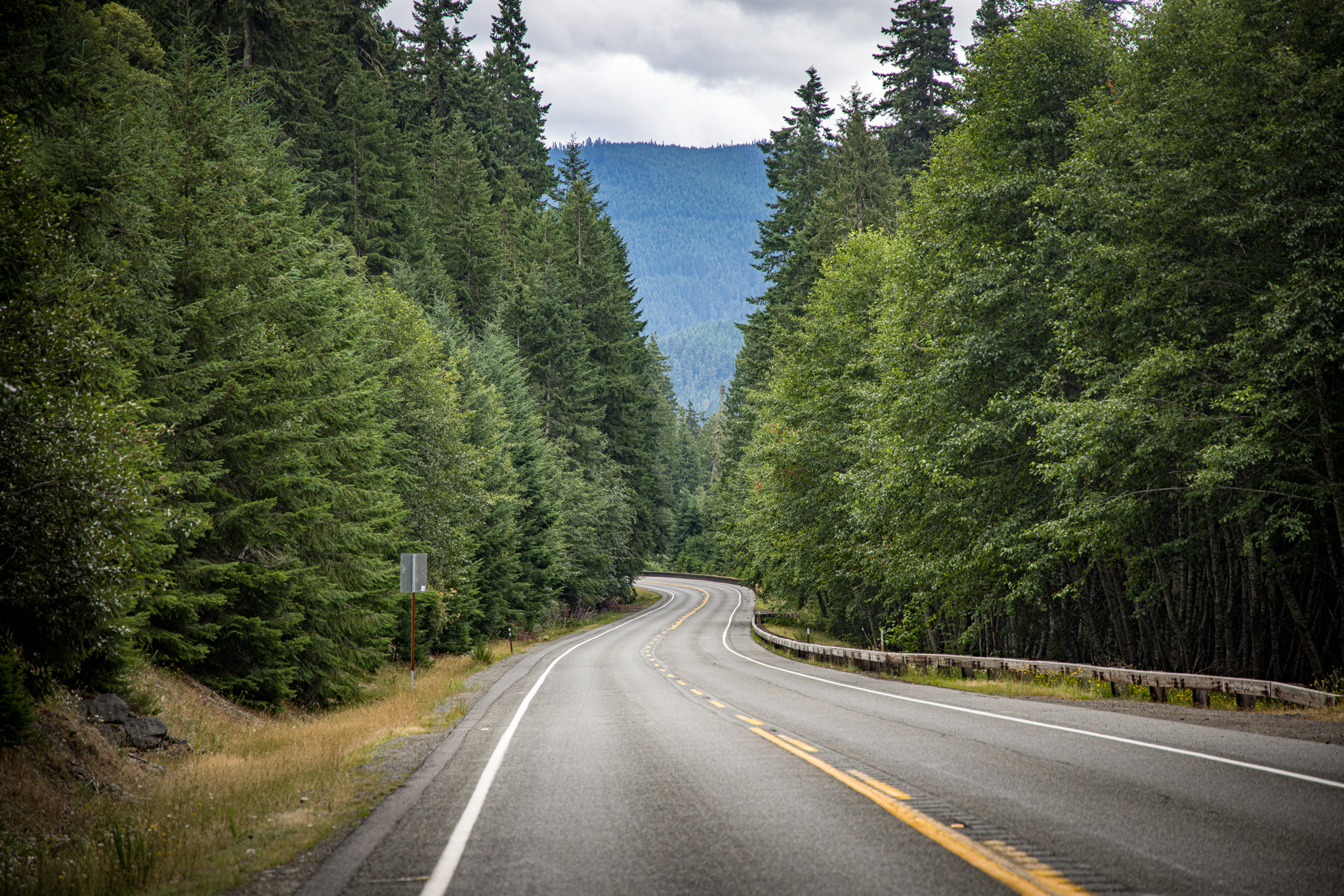

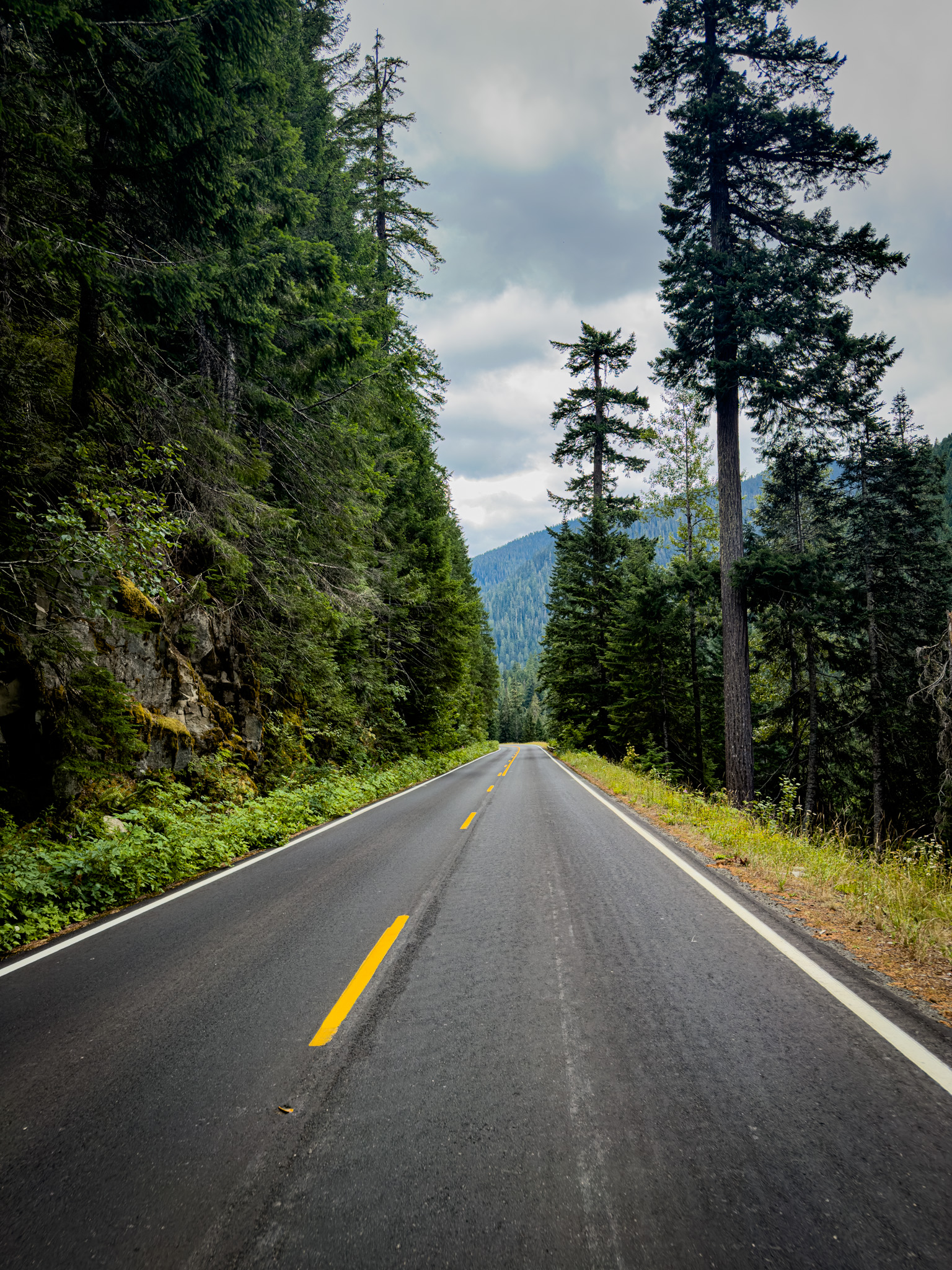
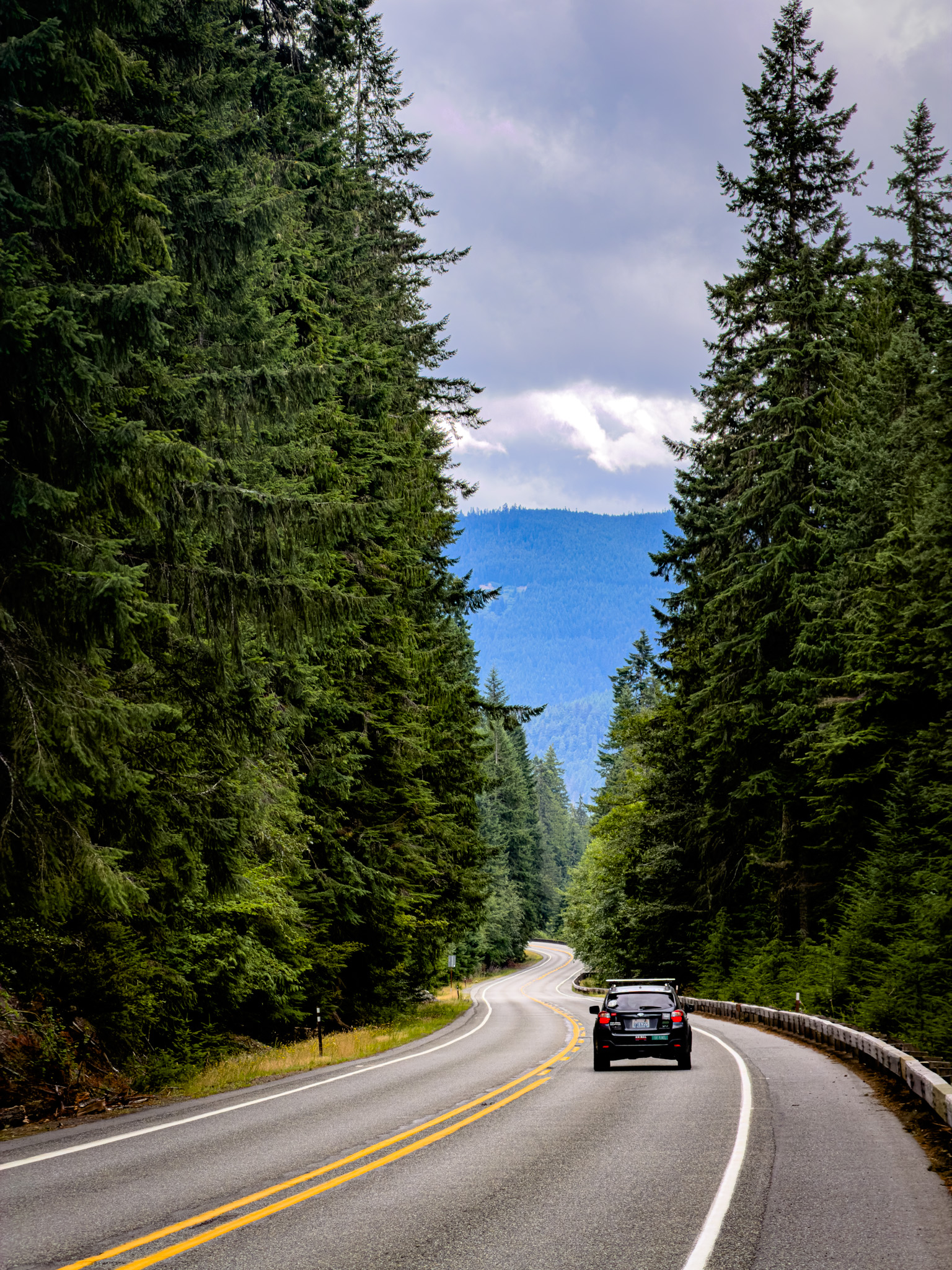
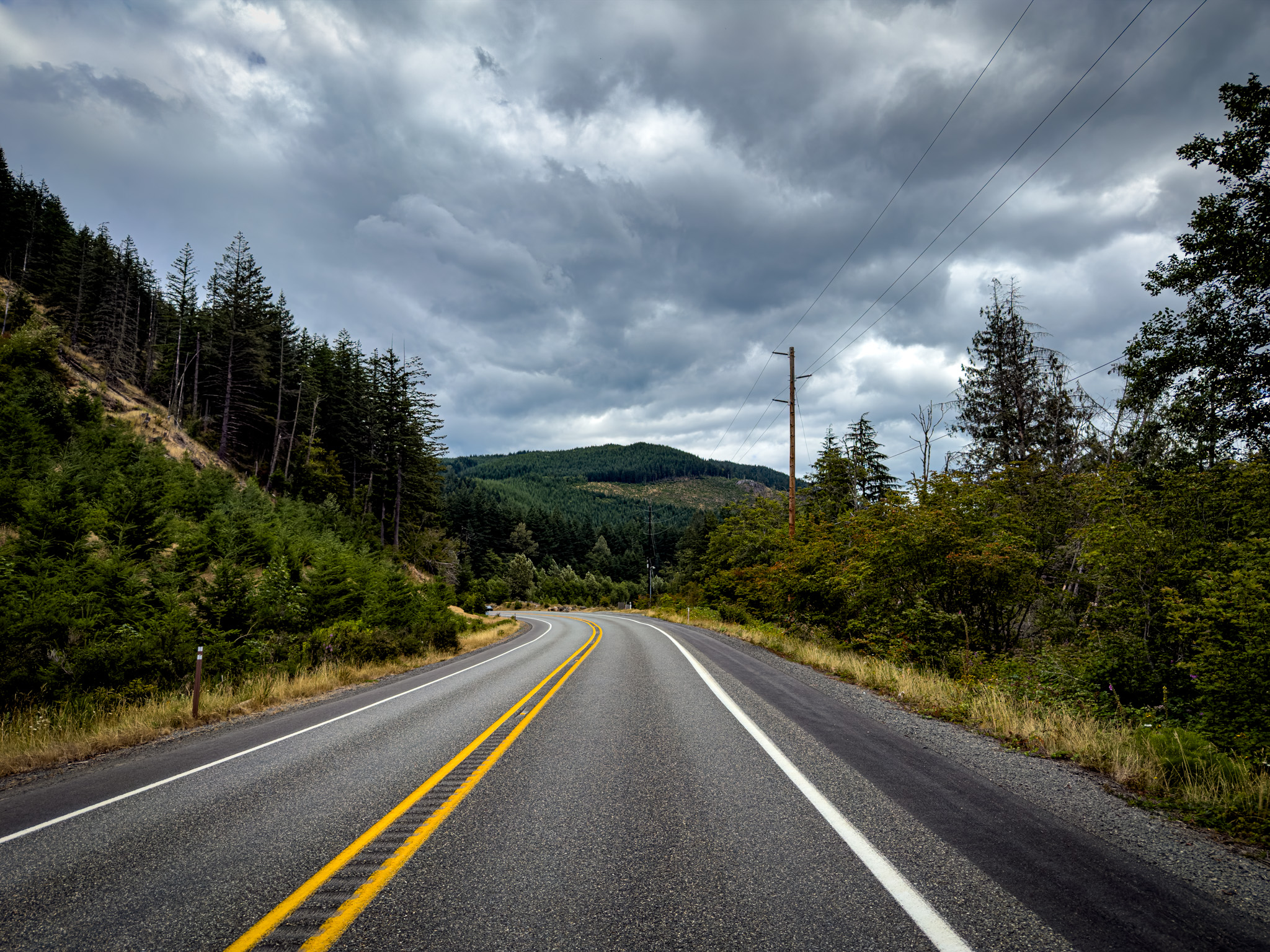
The route itself came down to process of elimination. US 101 felt like a Weyerhaeuser commercial with the logging operations running alongside it the whole way. I-5 was the soul-sucking grind I’d just spent two weeks despising. 97 sat too far east for what I wanted, a high-desert road that would only make me backtrack west later in the day.

What I actually didn’t want to relive was the memory still fresh from a few months earlier—a razor blade had put a two-inch gash in my rear tire near Rio Vista, and I’d spent about two hours on the shoulder before a farmer noticed me and stopped, since my repair kit couldn’t touch it and AAA totally failed me. (The whole story’s here if you want it.) That kind of trouble is an inconvenience near a city. Out here, without cell service and without a second rider, it’s a different problem entirely—and a second rider isn’t just insurance against an emergency, it’s also something that keeps runaway anxiety from filling in every blank on its own.
Enumclaw
I hadn’t eaten anything since Seattle but a couple of protein bars, and I wasn’t in a hurry to eat. I specifically wanted lunch in Randle to hit up the locals to get some intel on NFD-25 heading south around the back side of Mount Saint Helens. Rolling through Enumclaw I noticed a guy on a Suzuki Hayabusa and had a moment of considering whether to flag him down and ask what he knew about NFD-25. I struck up a chat and he had lots to say about the condition of that road. For you, you’ll be fine on that bike. For me, never again referring back to the Hayabusa. His comments left me even more confused as I know my bike is way more capable than I am. So, I’ll kick the can down the road and see what I can find in Randle.
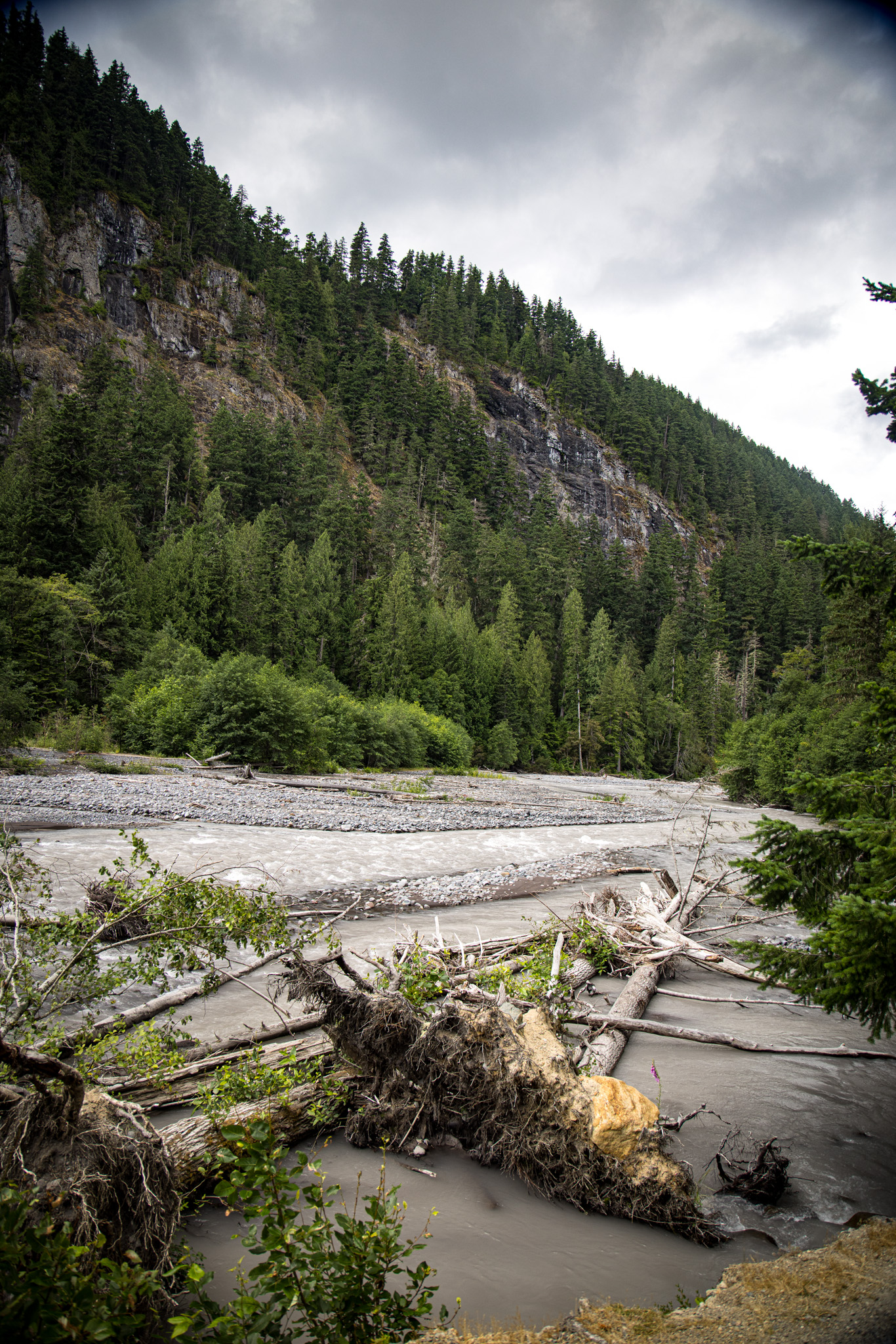
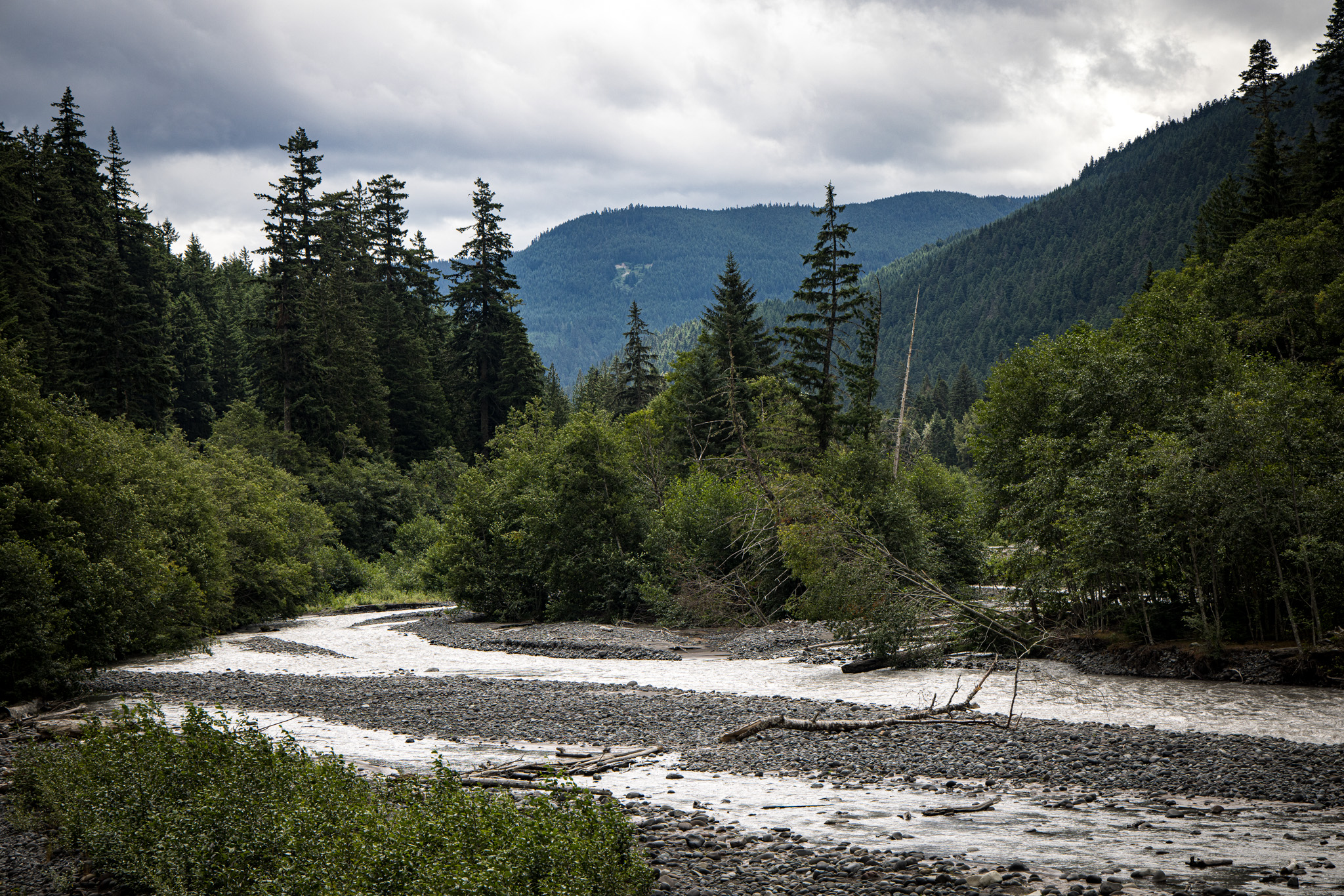
Chinook Pass
Highway 410 was everything I wanted it to be—rhythm, lean, speed, all of it clicking. Temperatures sat in the low 60s, exactly right for a ride like this, and heading down toward the mountain on 167 brought back memories of time spent at the lake growing up, long before any of this. I’d come through this same stretch three years ago in the Rivian, on a hot, bluebird-sky kind of day where Rainier owned the whole horizon. Today couldn’t have looked more different—cloudy, cool, and the mountain completely hidden behind the clouds. I pushed past the junction with 123 on purpose, because I wanted the real summit of Chinook Pass, not the shortcut around it. At the top I wasn’t tracking the clock yet. It just was what it was, and that was enough.
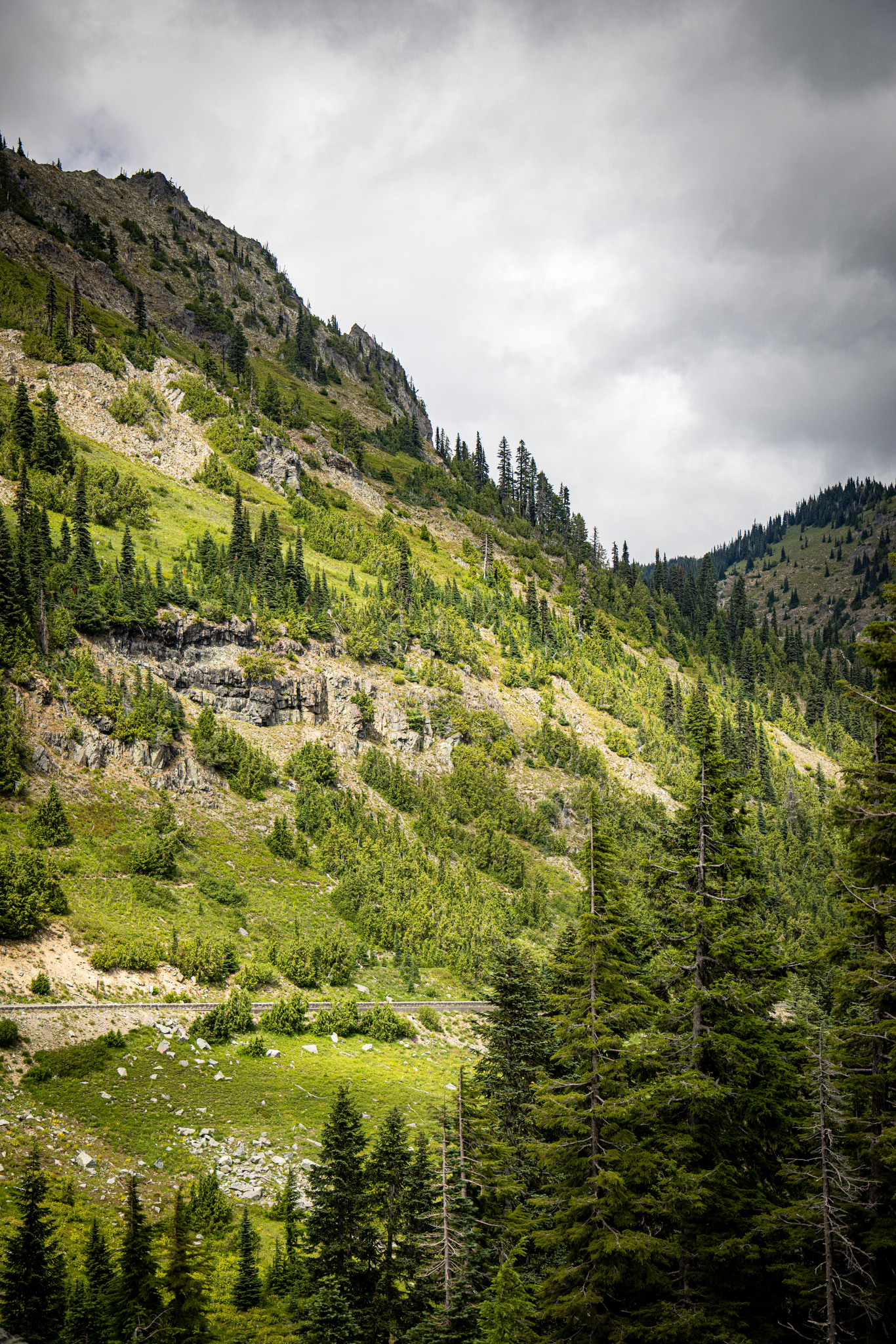
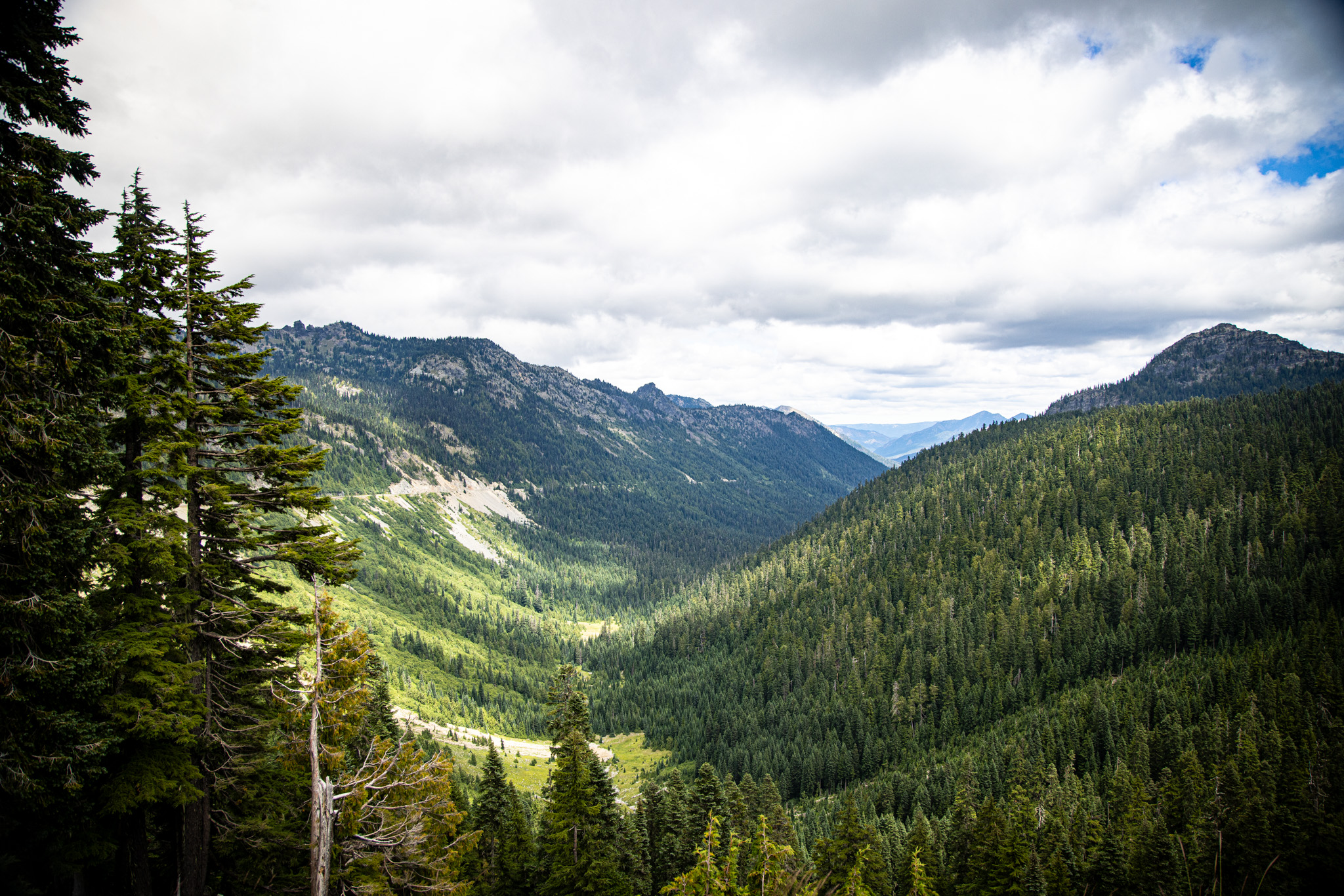
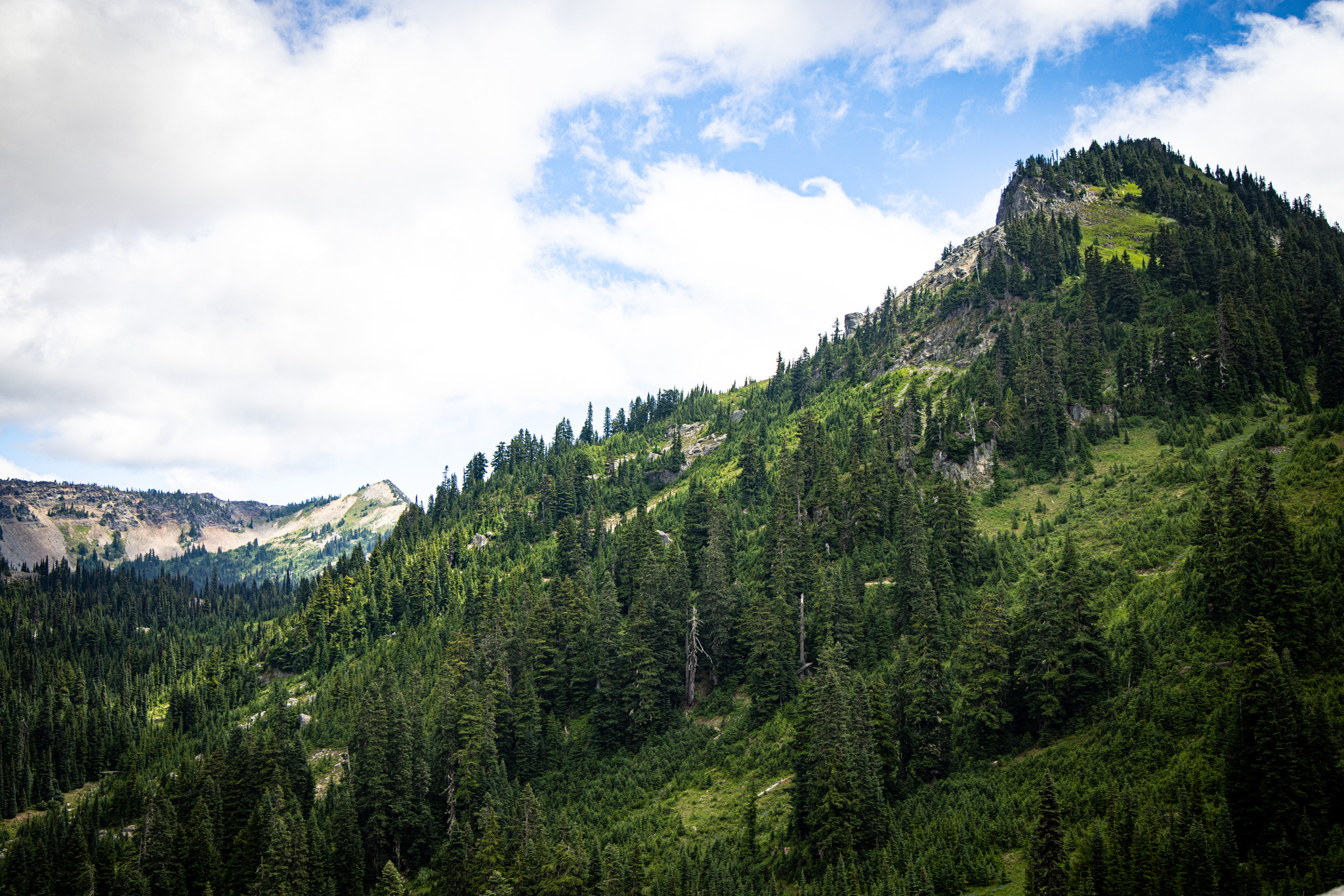
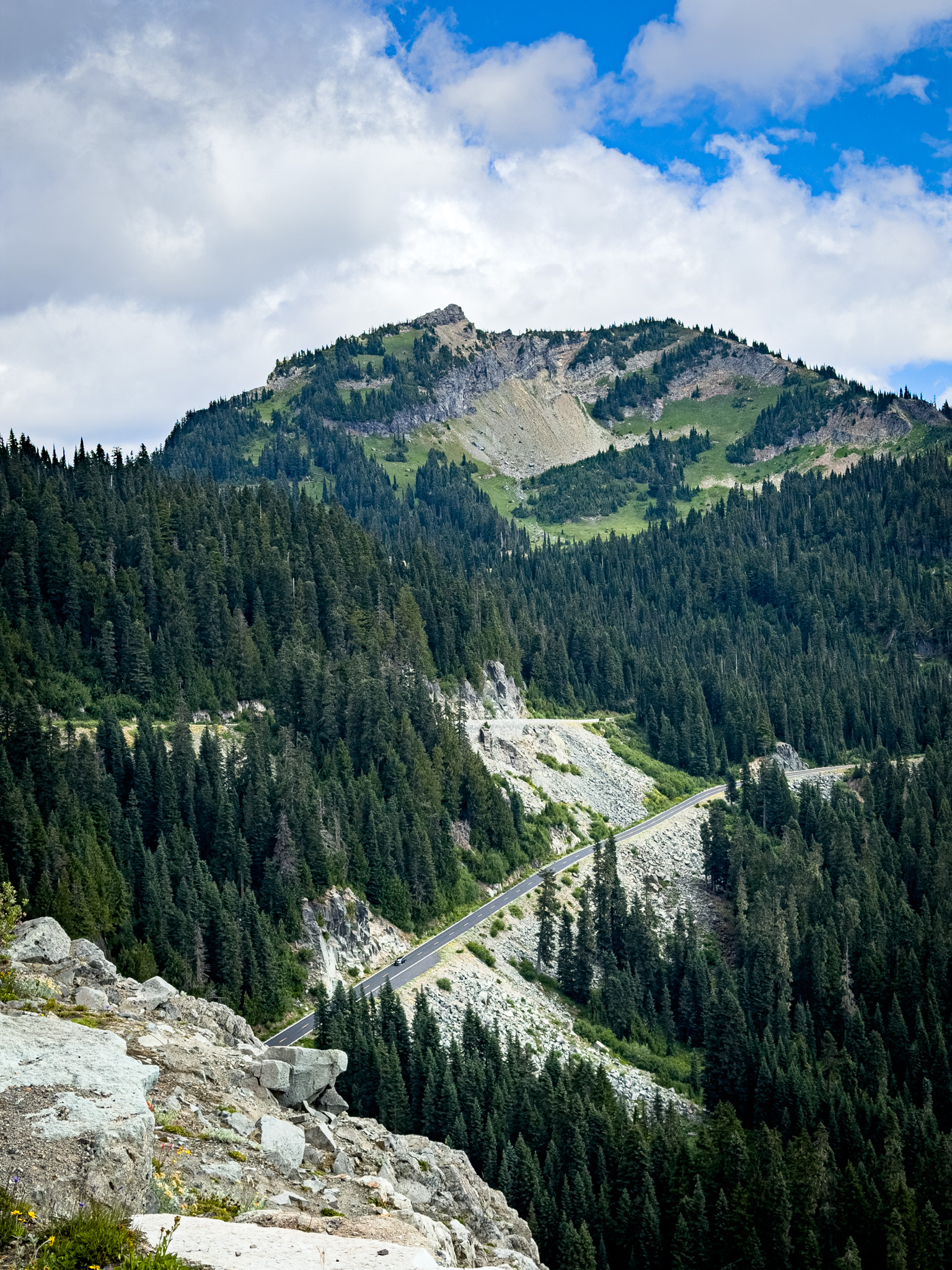
Highway 123 carried me the rest of the way around the mountain. If Washington 410 was the payoff, Washington 123 continued the spiritied run. Somewhere in there, checking the map, I caught a small discrepancy between how far I thought I’d ridden and how far I actually had—nothing dramatic, just enough to make me do the math again and wonder for a second if I’d bitten off more daylight than I had.

Enumclaw to Randle runs about 80 miles, and by the time the town came into view, Forest Service Road 25 through the Gifford-Pinchot National Forest was even more confusing. Yet one thing remained, it was a road everyone had an opinion about, and nobody agreed on anything about it.
Ride Details
Route Map
Start
Seattle, WA
Destination
Randle, WA
Distance
131 miles
The Ride at a Glance
Scenery
★★★☆☆
Curves
★★★☆☆
Road Surface
★★★★☆
Traffic
★★☆☆☆
Difficulty
★★★★☆



Leave a Reply